
Last week saw the first real sunny day of the spring so it was not to be wasted and with Rucksack packed and Buster in tow off we went to explore. Monsal Dale is one of many limestone dales through which the River Wye has cut its twisting path, sometimes tranquil and at others frantic as it pours over one of the many weirs……

The sun may well have looked bright but at first light it still had that cold winter look about it and with the bare brown trees of winter the mood in the shadows was very sombre. Monsal Dale like so many of the Derbyshire Dales are deep valleys surrounded to a lesser or greater extent by Limestone outcrops. Eventually the rising sun rose above the valley and started to add some warmth to the Dale……

The River winds a circuitous route in places broad and other narrow were it has struggled to cut its path through the limestone. As is so often the case in the Derbyshire Peak District, the Dales look peaceful and tranquil, but they hide what was once a very busy industrial location over very many centuries. Mineral extraction was just one of the industries and with the coming of the railways it embraced its the new transport opportunities. Nor could the railway be ignored as it cut is track way much more directly through this and many other dales…..
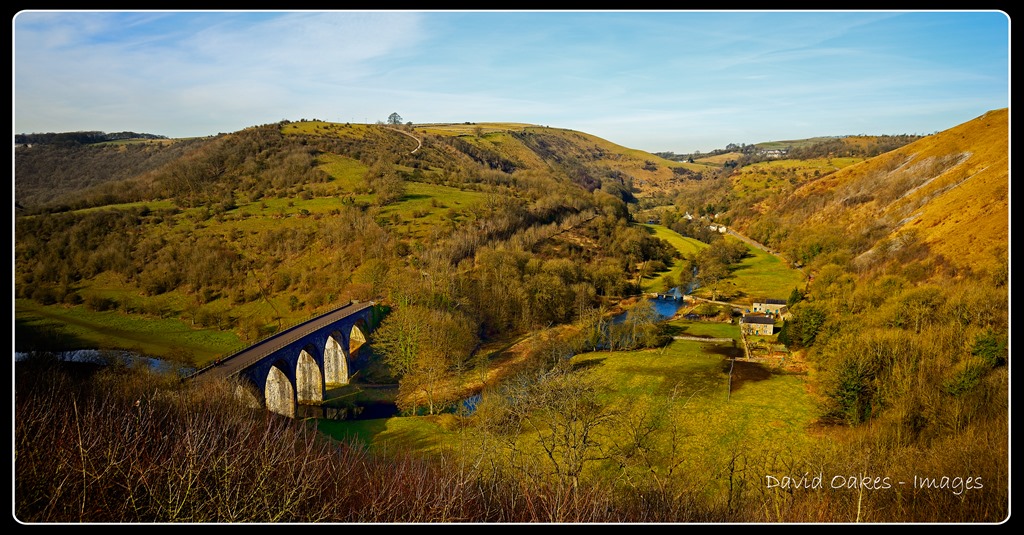
The Railway was constructed to link Industrial Manchester and the industries of Lancashire and the North with London and the South of England. Although the line was an important and busy Passenger and Goods line, it had the added advantage of helping develop the Tourist Industry of the region. Sadly like so many of Britain’s railways it was closed as part of the so called improvements to make the railways more viable!!!
No obstacle was to great for the engineers, tunnels driven through hillsides, embankments created and viaducts thrown across many a valley and river to retain the track height. Monsal Viaduct is to-day much admired as an engineering achievement, a great piece of architecture and yes it does stand dramatically above the dale as it spans the Wye……
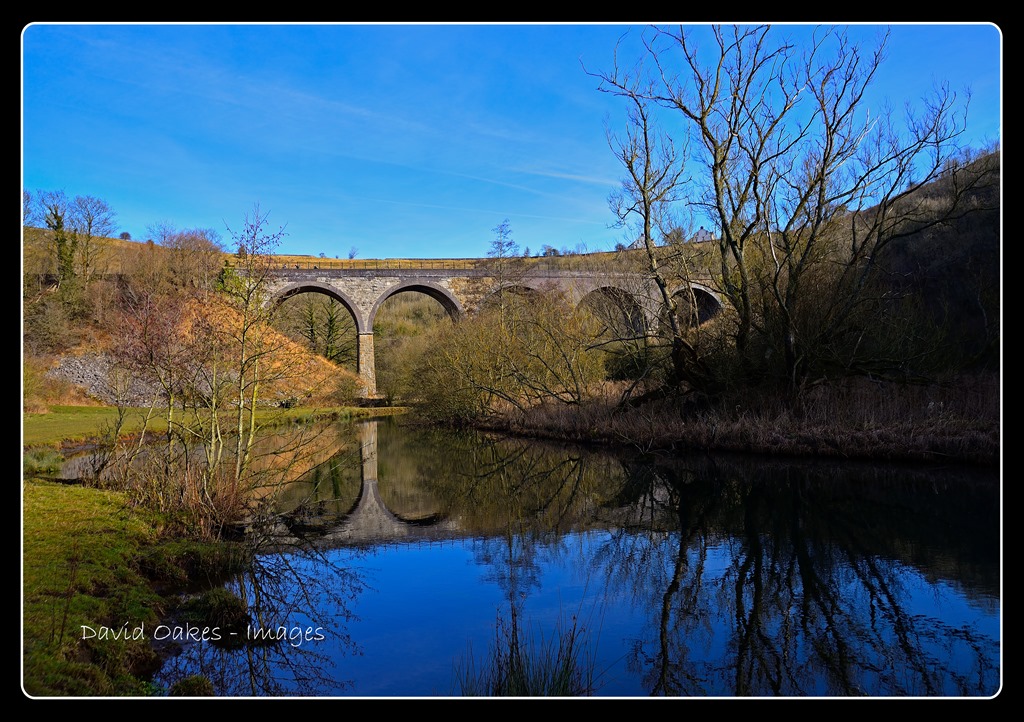 Certainly the giant arches dwarf the walker bellow adding a little drama to what is now a quiet place. True you can stand and marvel at the skill of the stonemason and bricklayer as it stands as solid as the day it was built.
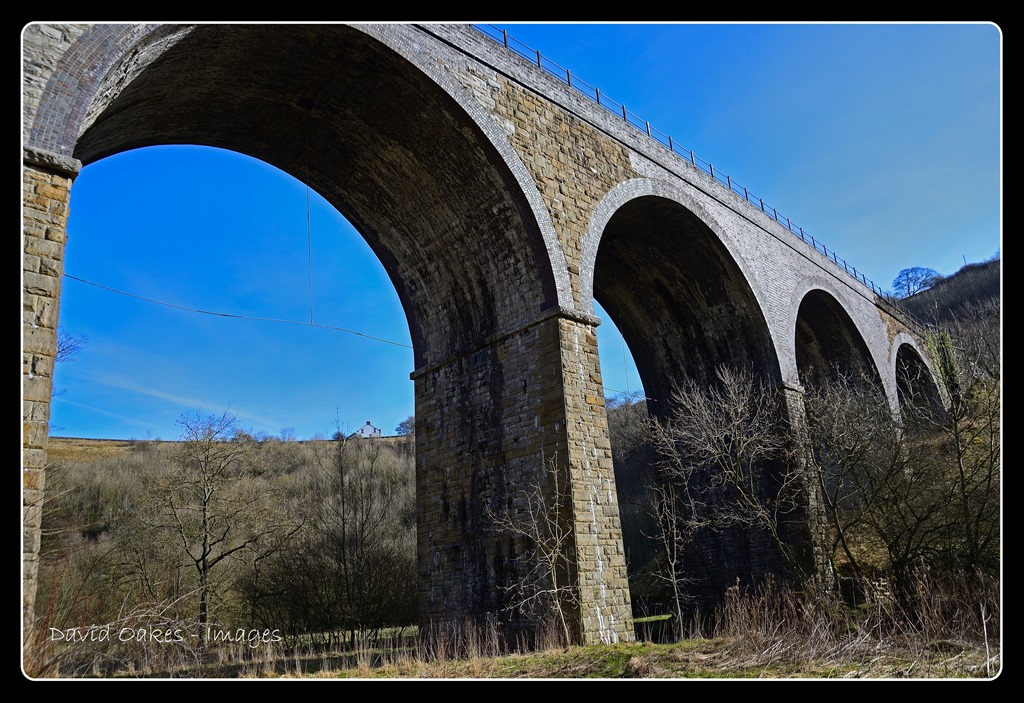
But it does raise the question…”Would it have been built to-day?”. In England there is much of an outcry over a proposed High-speed Rail link from London to the Midlands. Of course the pro-argument is that it will bring jobs, create wealth and is for the good of the economy (yes, the familiar arguments) but for those who will loose homes, farms, jobs it is a tragedy that they find hard to come to terms with….all very real heartaches and irreplaceable losses. Then you add the impact on the countryside, the wildlife and the nature reserves it will cut through again losses that even the most well thought out mitigation measures would do little to ameliorate.
So it does beg the question, would this railway line be constructed today through sites of Special Scientific value and now considered one of the most beautiful series of Dales in Derbyshire.
But since the line has been closed, and the railway lines removed it has left a great legacy. The railway ‘track’ is now known as the Monsal Trail one of several ex railway lines that are now providing great paths for walkers and interlinking routes for cyclists…..
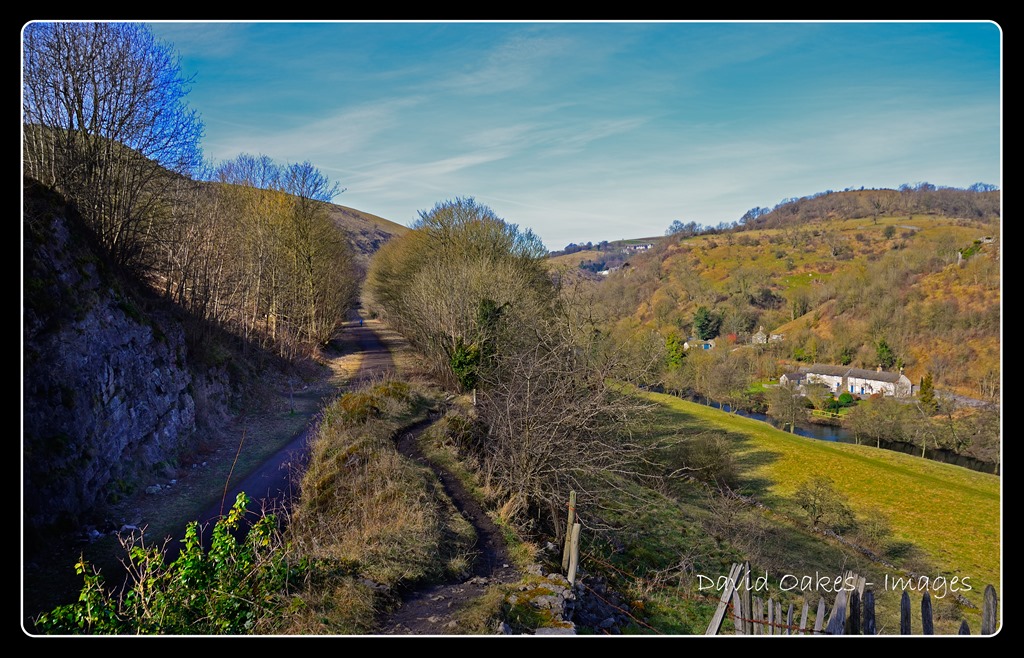
The lines may have gone but they leave behind the occasional reminders of railway life such as the odd Lines Mans Hut…
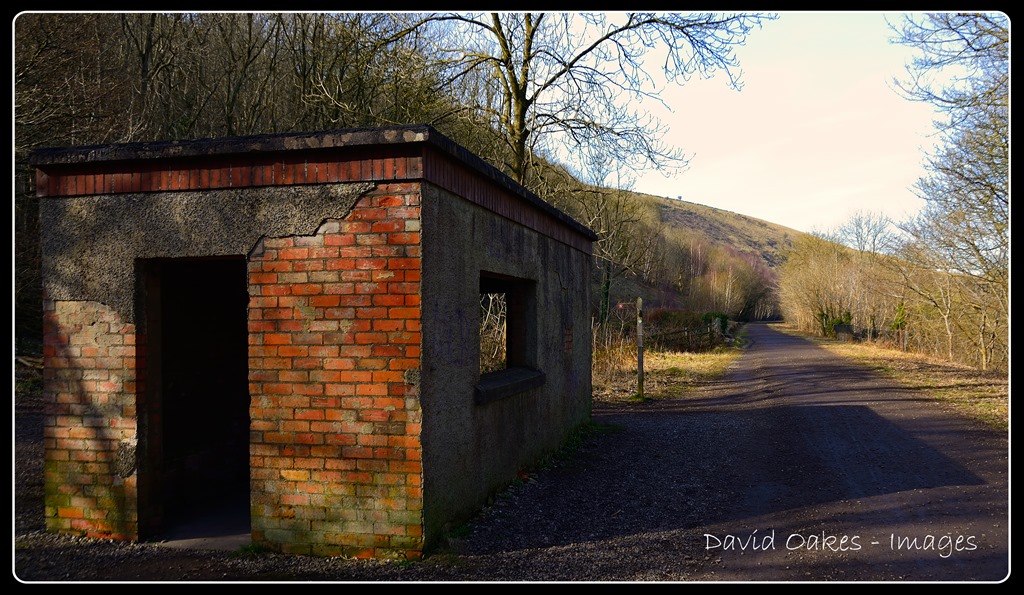
The high elevation on the side of the Dale gives great views to add pleasure to your explorations of the River Wye.

UpperDale one of many small hamlets nestling beside the Wye….
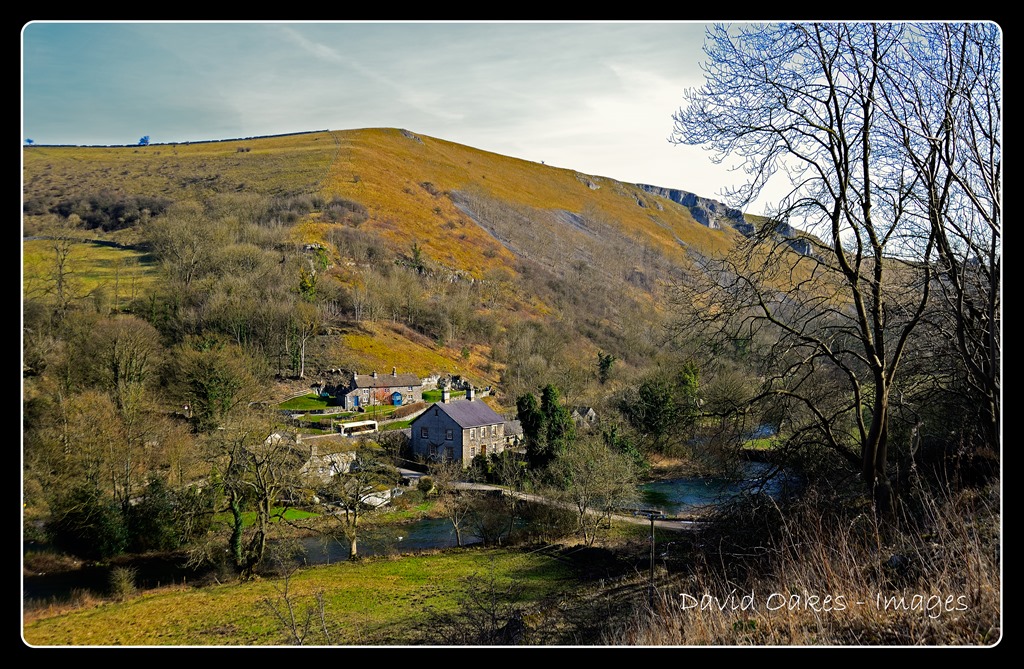
And the view down to Cressbrook Dale…

With good views of Water-Cum- Jolly
it is here where the Wye cuts through a small Limestone Gorge
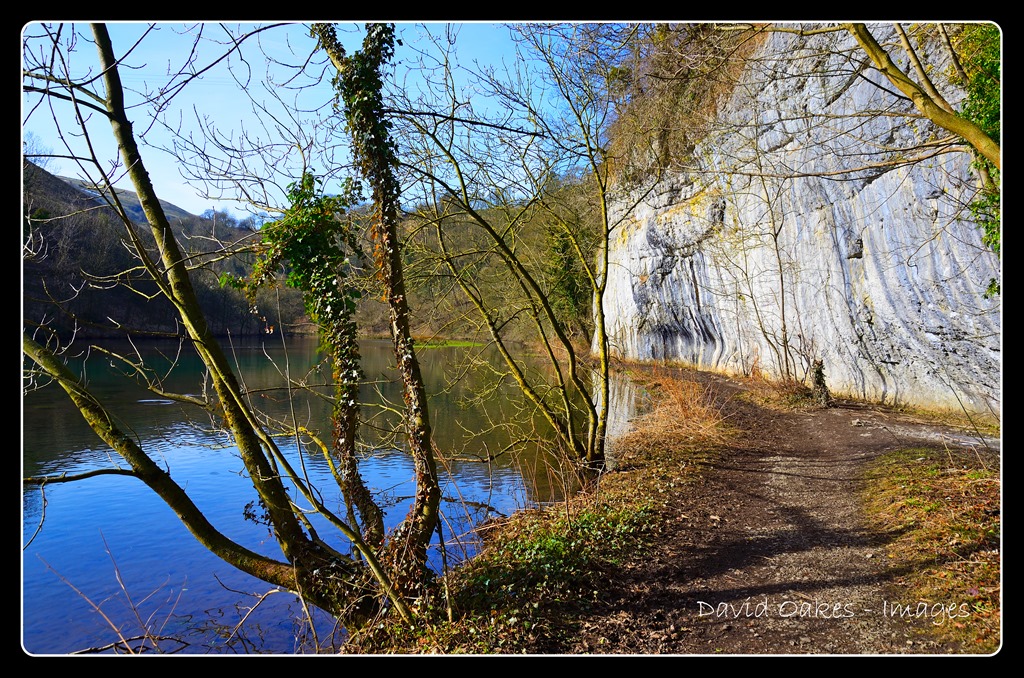
It is here that man has re-shaped the flow of the Wye with yet another weir, built to channel waters to use to power several Mills…..
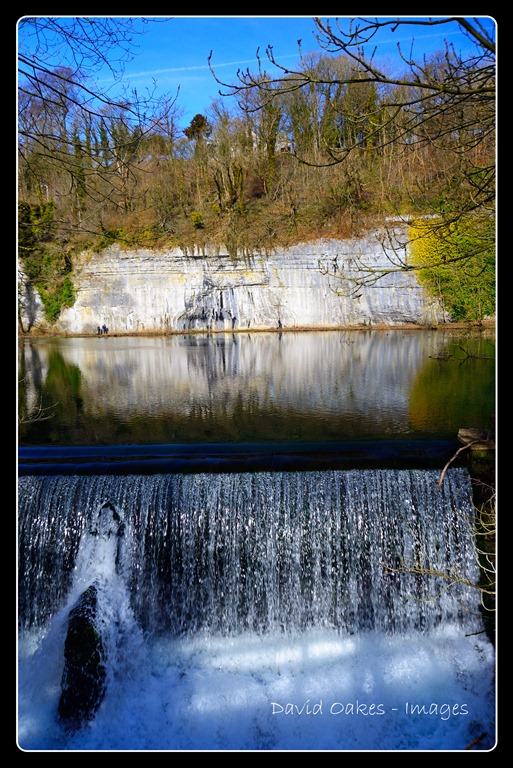
Cressbrook Mill is just one of many that once lined the banks of the Wye

You would be excused for thinking that this was an new building for it has been recued from near total ruin and misuse and renovated in much style to provide Apartments, Town Houses and Holiday accommodation. Swish indeed but there are many stories of misused and abused Child labour in days gone bye and much worse if one believes the rumours.
Neat and trim it all looks today but I also spotted this sign, which if it is to be believed, has seen the local council restrict just when and when not the rocks falls can take place on to the road!!

I hope you have enjoyed this short trip to Monsal dale and a short walk along the Monsal Trail…..perhaps we should be grateful to our forefathers for building the track and closure giving us another benefit to enjoy. Yes the trail has a rosy future and given Derbyshire another iconic landmark….
 4th March
© David Oakes 2013
 DAVID OAKES - IMAGES.
WOW! How beautiful, how beautiful… especially number 2 and the last one fascinated me so much. Also so inspirational. Thank you dear David, you are amazing as your beautiful country. Love, nia
LikeLike
Beautiful picture,s rich on colors, David! As for your crucial question: ‘Would it have been built today’, is a hard question to answer.
Of course, it’s much more expensive to build a train line today, but on the other hand the market is possibly far larger today than before.
Then there’s the new technologies which makes tunnels an easier solution before, but still costly to build. I imagine the same could be said for bridges?
I usually take one large step backwards: A hypotehically question? That railway is there!
And it’s running! So why ponder about whether it would have been built today? The situation being what it is, the money would most likely been financing a railway somewhere else (where there were none before)? I think! 🙂
LikeLike
Two observations. The first is that the railway is no longer there. The viaduct remains. Many mourned the drastic loss of so much of our rail network. True it has left a legacy of trails for the benefit of walkers like myself. The second point regards cost. You are no doubt correct that building a railway today would relatively be so much higher given high tech specifications now needed for high speed lines. However back in the late 1800’s when these lines were built it was with private monies from industrialists with the vision to see the benefits it would bring, not just for them but for the communities they served. I say served… as I do believe that at that time in our countries growth industrialists felt they had a responsibility to society. One has only to look at the Schools, Hospitals and Parks that were built by wealthy ‘Benefactors’…..some thing that is missing in to-days society.
Not sure that back in the late 1800’s there would have been much opposition to the construction of the line. Not like to-day when protesters are professionally organized. Nor can any amount of compensation replace the loss of someones home or livelihood. Loss for the greater good rings a little hollow for them.
But that is progress!
LikeLike
David, good and interesting post! The railways did bring both good and ill in their wakes! And what ever one thinks of Beeching and his “modernisation” of the railways in the 60´s it did lead to those paths, as you so rightly say! I remember the Wirral Way being opened in, I think, the late 70s or early 80s following the culled railway line.
Cheers
Charles
LikeLike
The Wirral Way and all the others just would not exist….and in an odd way I think there creation actually helped the securing,and indeed the actual building of other networks.across the country. It was one of the turning point in ‘Rights of Way’ protection and the willingness to create new ones. As a walker I am very grateful. But in a way The Wirral Peninsula , Parkgate to Neston and beyond only developed as a Victorian ‘Tourist’ destination with the arrival of the network…..and dare I say with its demise the tourists declined and the Victorian ‘splendor’ of the resorts crumbled, just like so many of the one time seaside holiday centres and Spa’s.
Take care and best wishes
LikeLike
Yes, I agree. The dynamic of how an area funtions is complicated, but I think the demise of that Wirral Line played it´s part.
Regards
Charles
LikeLike
Very true David, I live just off the Wirral way and it makes for a very pleasant bike ride after work… but all the history is their to be seen still.
LikeLike
Thanks again, David, for presenting such insight into the imagery and history of places that are new to so many of us.
LikeLike
Glad you liked to-days blog. The weather forecast has changed for the worse so I guess the past few ‘spring like’ days were an early bonus.
LikeLike