

The iconic image most visitors take away with them from this part of Norfolk is usually one of Windmills, each standing proud above either the coastal saltmarshes or the inland Fens. But equally iconic is the view of the local Church nearly always standing on higher ground above the water levels just like this one, with its round flint tower at Burnham Overy…..

The fact is that churches are a very dominant element of the Norfolk landscape and have been for many centuries. Historically the region was made up of wealthy farming communities, each vying with its neighbour to show who was the most successful…..a BIG church was very much a status symbol. Every village had a church of grandeur many rivalling the beauty of some cathedrals.
This one is Saint Margaret’s just outside Cley on the Marsh……

Much modified, extended; and designed each time to look bigger, grander. Part of an earlier wing that has now been left roofless can be seen above.
Ornate as the exterior stone carvings and imaginative use of local stones is, the interior is much simpler but equally as impressive….

Thankfully many of these churches still play an important community role in addition to their pastoral duties. I couldn’t get a full length shot of the nave here at St. Margaret’s as workmen were erecting scaffolding and installing specialist fixing to enable an exhibition of major works of art to be displayed. July will see this church operating as both a place of worship and a very special Art Gallery.
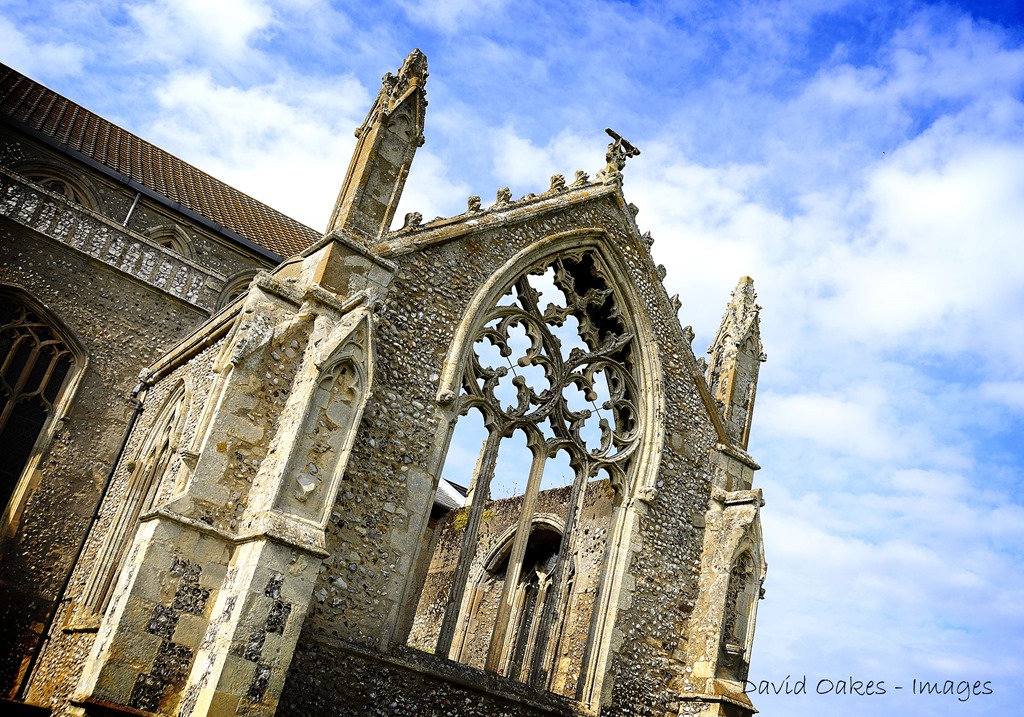
Look more closely at the ruins of the east wing and you will see that much of the walls are made up of roundish stones…
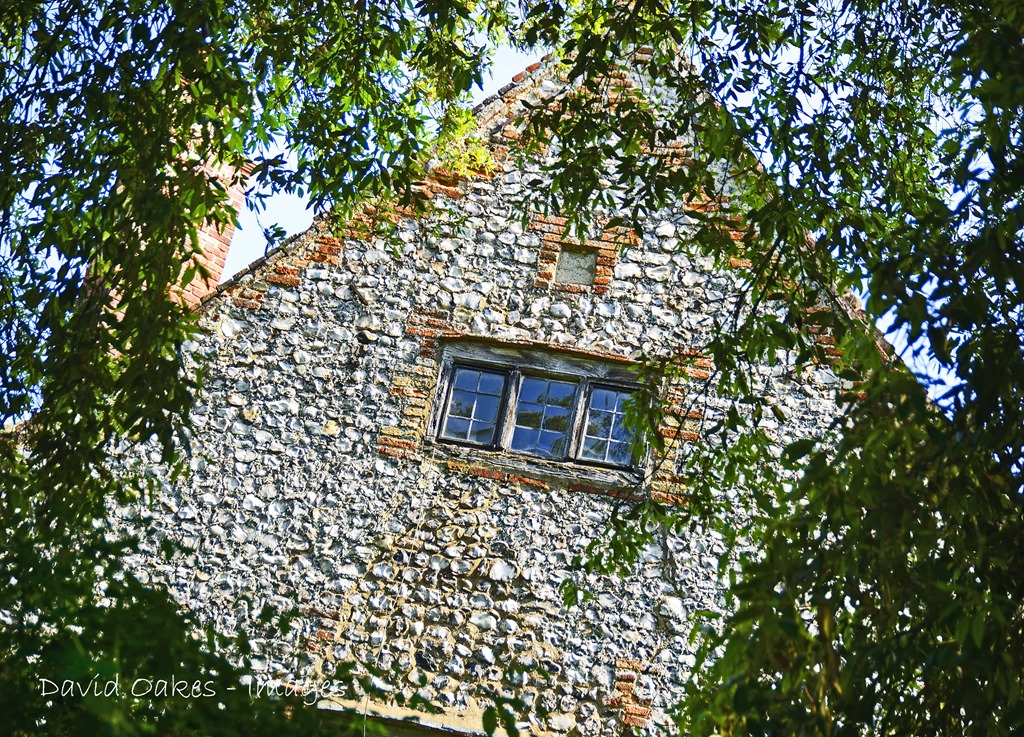
It is a style of construction that is nearly unique to this part of the country. This 15 century Manor House was built using the same methods.
It is of course using the materials that were available locally with the predominant material being Flint Stones. Head to the coast and you can literally step back in time. Geologists and Geographers can have a field day exploring the Norfolk Coast. The constant wind, rain and tides have for centuries been reshaping this coastline, some say that todays ‘weathering’ is even more dramatic. It is the Cliffs where one can see dramatic evidence of this erosion….

At low tide walk back from the tideline to the cliff face and you will walk across the bedrock that was once beneath the cliffs, each year the erosion washes away the exposed surface. You can see very clearly the different strata and how the earth has moved them over the millennia and now today how erosion is again changing the structure. These cliffs are a mix of Bolder Clay, Mud Stone, Sand, Chalk plus Flint Stones, a cocktail of rocks from the Ice Age. Take a closer look and you can witness erosion in progress and spot Flint Stones being ejected onto the beach….

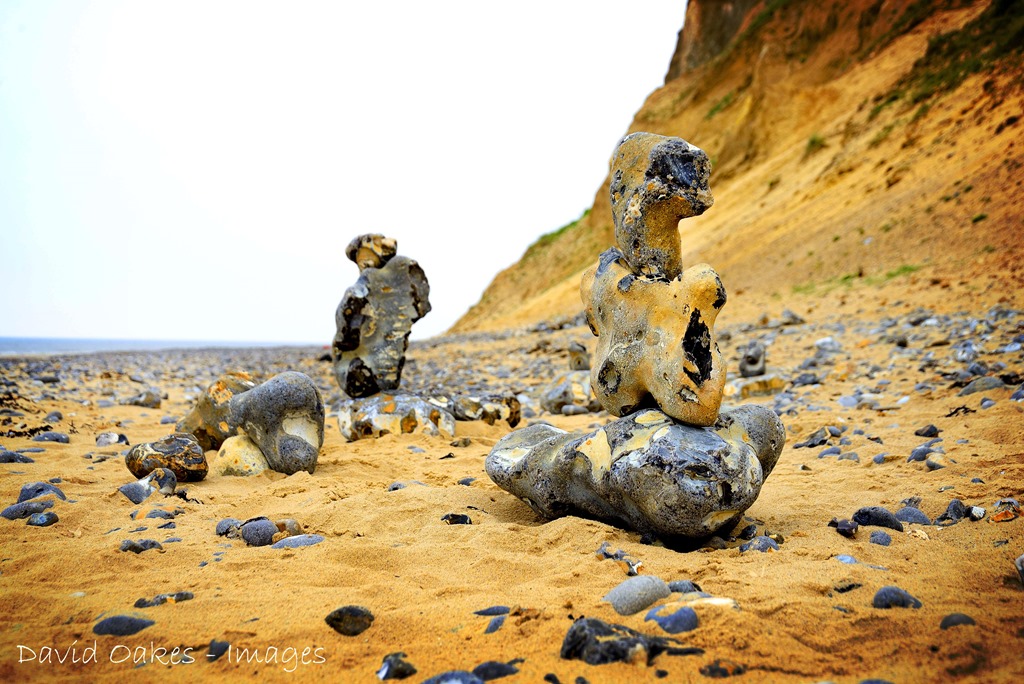
And this is what Flint Stones look like, no it is not a brain scan but is a cross section of a large Flint that has natural broken clean across…..

Flint Stones are very hard, random in shape and were obviously easy to gather for construction work. But smaller flints were shaped and used for axes heads and knives of sorts by early man, there random shapes allowing for creative use…

Flint Stone is still used by master builders locally but here on the beach they obviously appeal to those beachcombers with an artistic or sculptural leaning.
But briefly back to building….From old Stable Block..
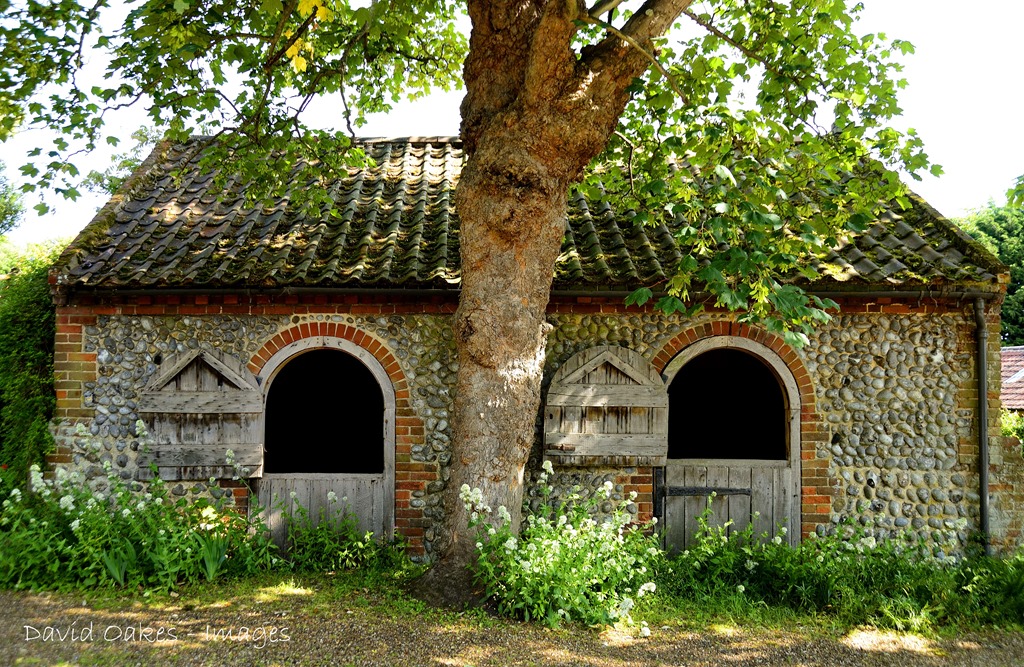
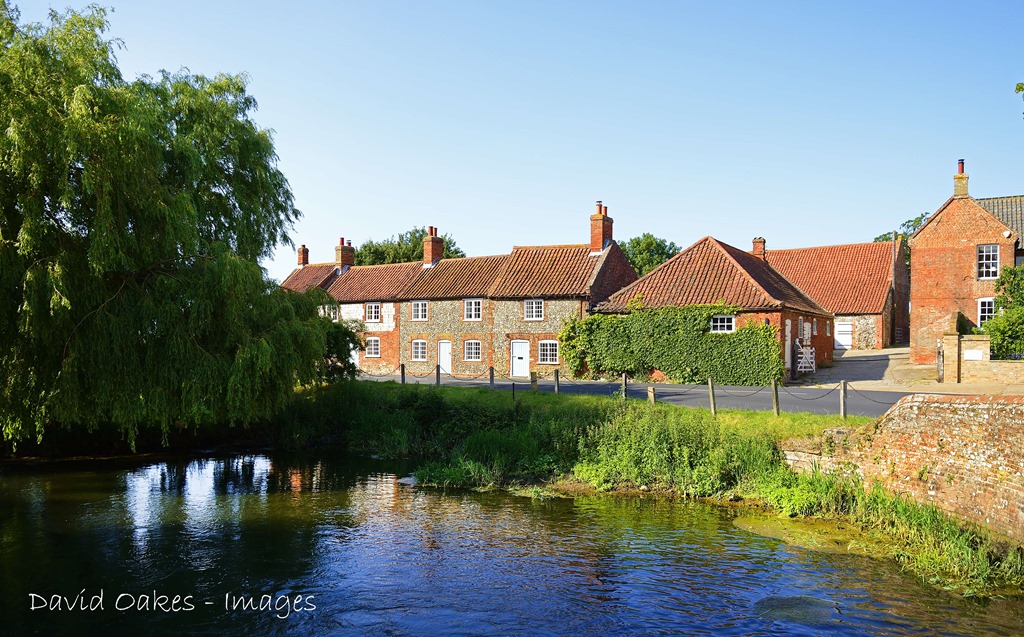
To Cottages, flint stone, local clay for bricks and sandstone have been used over the centuries….

Finally lets take a last look at the Windmills. The most photographed must be this one at Cley next the Sea…..

They conjure up images of the childhood character ‘Windy Miller’ all covered in white flour….whilst that is true for some windmills I understand the most of the Windmills across the Fens and Marshes were constructed to use the winds power to pump water and so regulate the wetlands water levels.
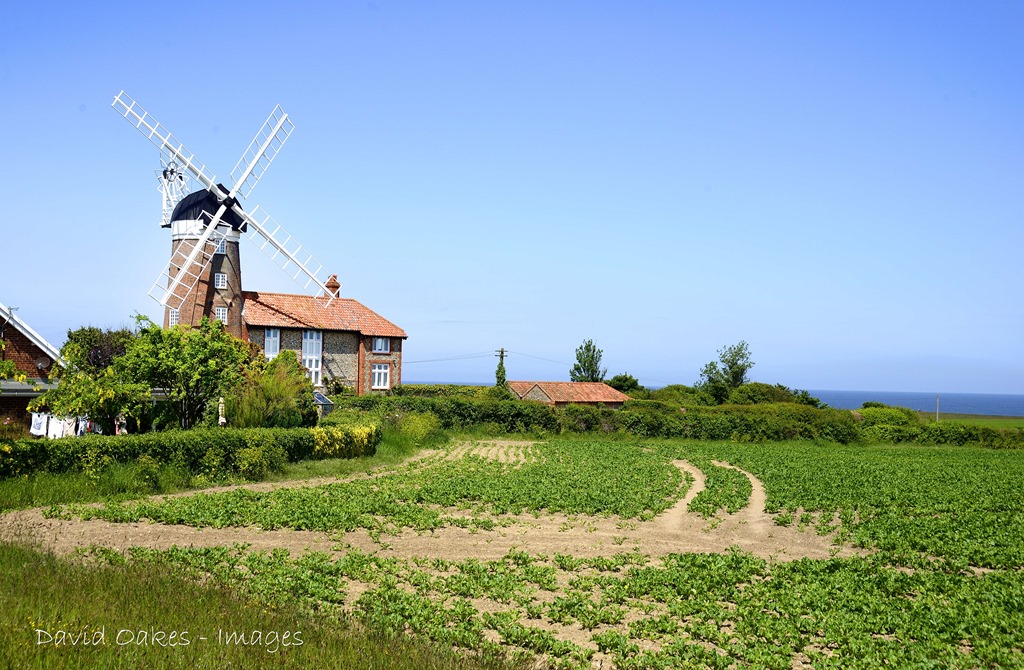
To-day they invariably have taken on new lives. This on at Cley has been converted into a small hotel complex. At Weybourne the Windmill there is someone’s unique abode!….
To take a look at a Watermill that once was a major ‘grinder’ of flour and cereals, you need to visit Burnham Overy where you will find an early mill on a grand industrial scale…….
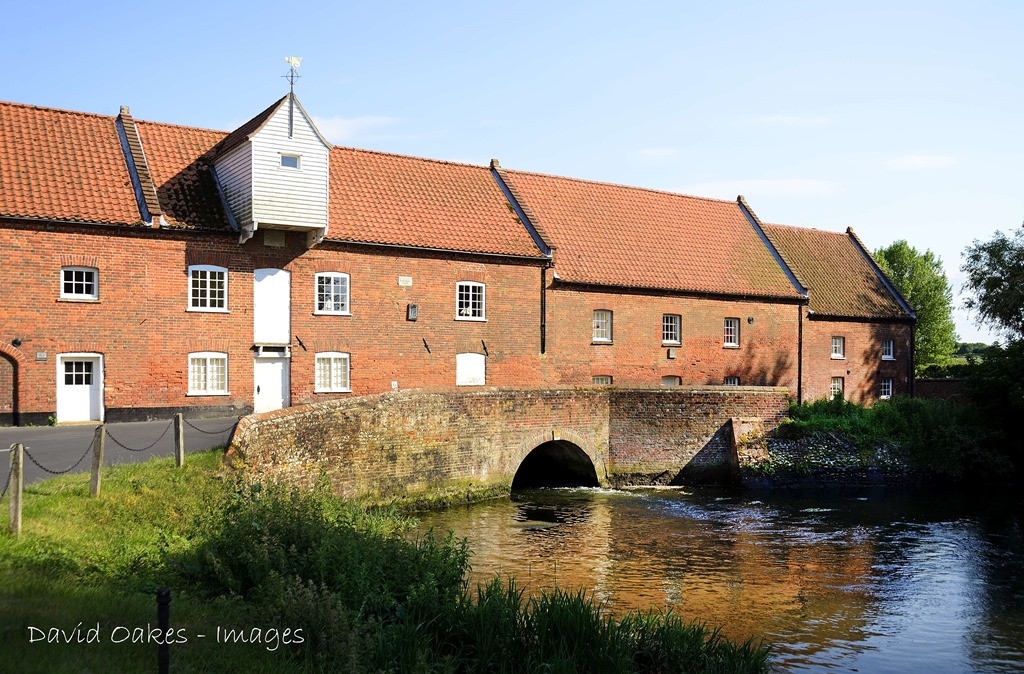
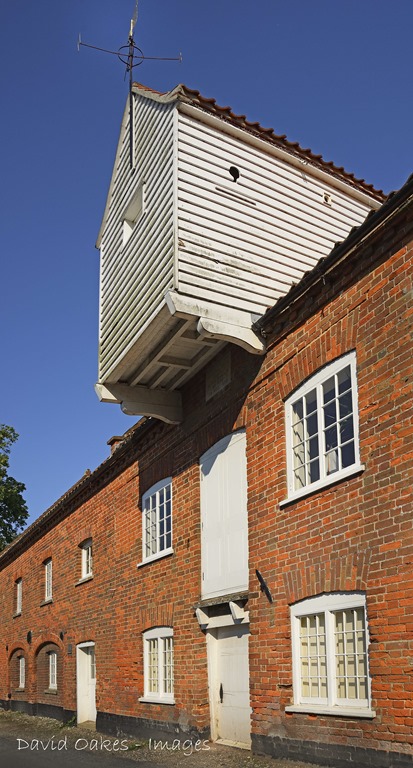
The Mill is built over the River Burn whose water is used to turn a large waterwheel and of course being ever efficient built by the road to allow for unloading and loading of carts, note the overhanging ‘winch’ house….
Well that completes our short visit to the North Coast of Norfolk, I hope you enjoyed the journey with us.

Back home now but with great memories of a lazy day on the beach at Wells next the Sea.
26th June.
© David Oakes 2013
(posted 4th July due to none available internet connection)
 DAVID OAKES - IMAGES.