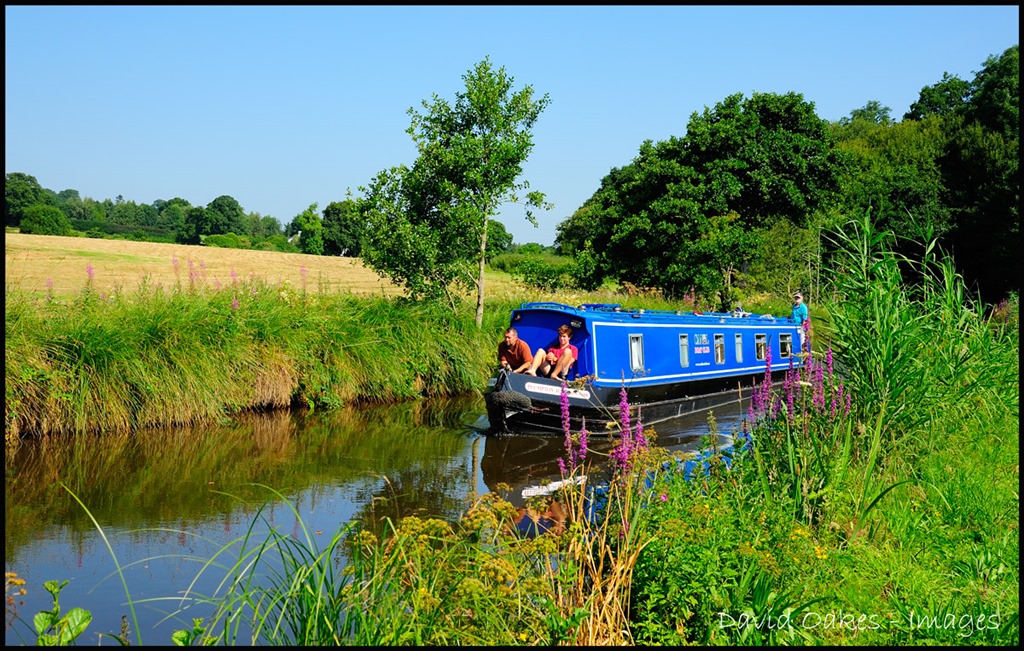
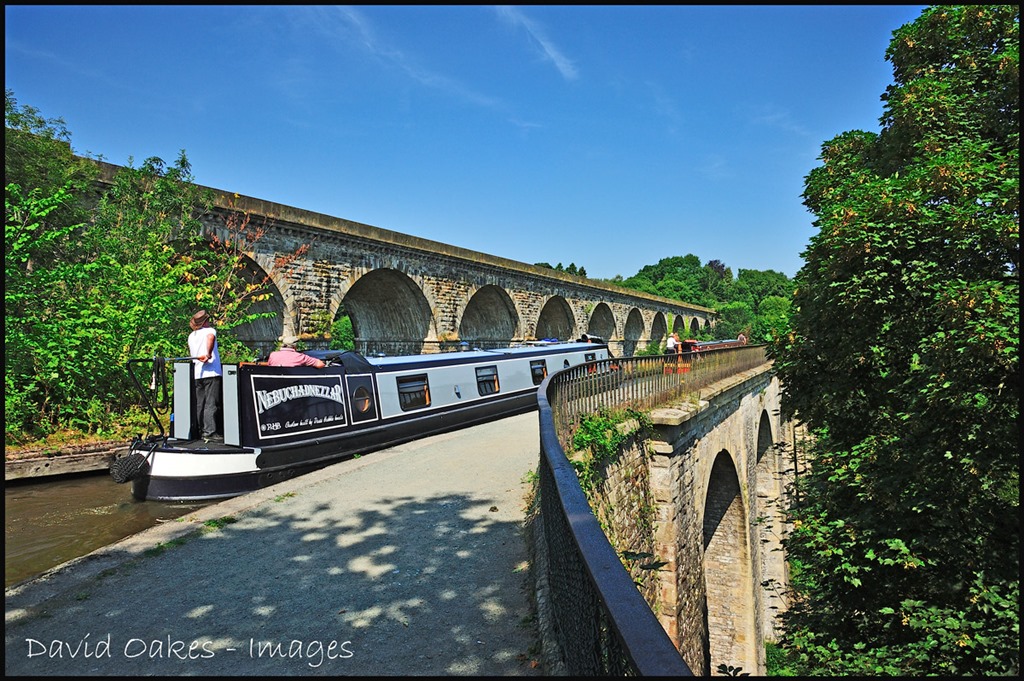
It has been hot, ideal holiday weather and perhaps nowhere better than a walk along the Llangollen Canal. It was here I met an American couple who were intrigued with life that past by on the waterway. During the conversation they commented that it was far sighted of folk to build a canal for recreation. I explained that canals had been built for real commercial reasons of haulage, moving bulky products about in quantity…replacing the horse and cart. But surely they commented that was the job of the railways!…..It took some time to explain that railways came along a good few years later and of course in time they did replaced the canal boat as a means of commercial transport. Then of course came the question as to what goods would be carried after all this area didn’t appear industrialised…..


Indeed the area from the north coast of Wales, across the Snowdon Mountains, through the Berwyn’s and over the border into Shropshire was once one of the most productive in natural resources and produce, not just in Wales, but the U.K.

Farming is still a major source of income, Cereal crops to Dairy products, Beef cattle and of course Welsh Lamb plus Forestry have been and still are major industries.
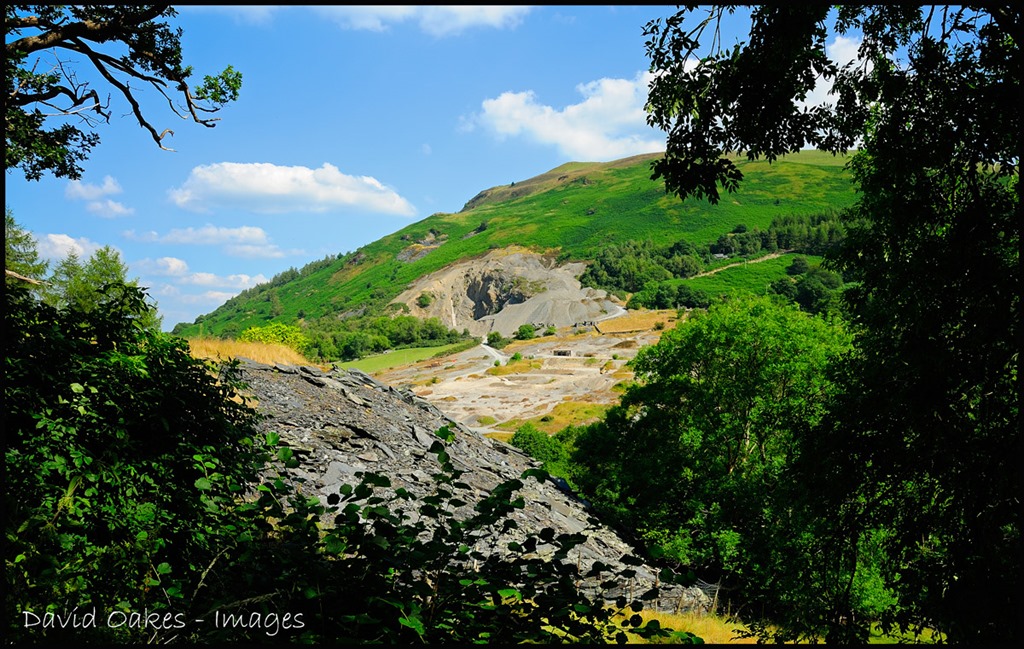
But the landscape is also pock marked with signs of quarry and mining activity. Coal, Slate, Lead, Copper, Minerals and Stone have all been rich natural resources harvested over the years which in turn also spawned other industries able to use the rich materials. Originally of course it was the Pack Horse then Horse and Cart that became the transport by default with the whole region being crisscrossed, just like a cobweb, by narrow tracks worn down deep into the valleys over the centuries…
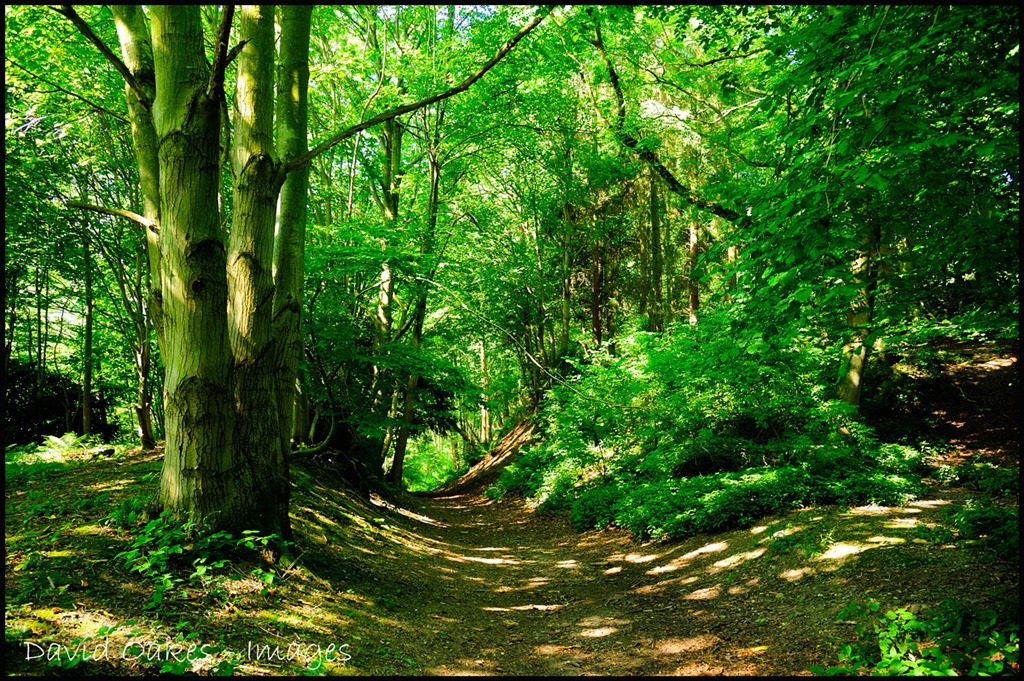
But of course the arrival of the Railways was the biggest leap forward in the transport cycle. It also came at the time that Victorians discovered the adventure of travel and exploration and if not overseas, then within the U.K. was just as desirable and wild remote areas even better…so tourism was born.
Remember the gates I mentioned in a post earlier this week here is the link(https://davidoakesimages.wordpress.com/2014/07/23/over-the-border/).

I mentioned that these Gates to Chirk Castle had been moved from their original location (twice in fact). Well the final move was to a new entrance to the Castle, an entrance that could be seen by passengers alighting at the new railway station. They were gates built to impress and that was exactly what they did. This of course was long before the days of tourist visits to Stately Homes and Castle - but it was also the start. The new tourists would hire a Pony and Trap or Carriage, drive to the Castle and seek out the Housekeeper. If she felt that they were suitable and for a fee which she negotiated they would be given a guided tour!
But pack to the Railways. They too crisscrossed the valleys, it was a real network of branch lines. Nearly all are long gone deemed uneconomical in the 1950’s. But North Wales can also brag about its very own special railways built for the slate, mining and quarry industry. Most were a narrower gauge to cope with access to the valleys and mines, many unique is style…..
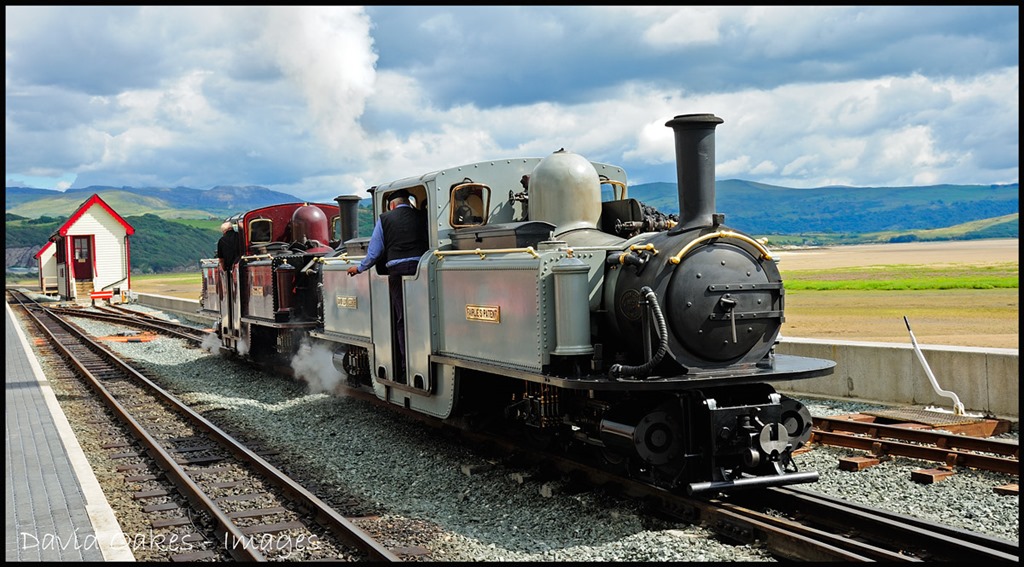
These tandem engines at Porthmadog were designed to haul tons of slate fro high in the mountains at Blaenau Ffestiniog down to the coast for onward shipment by sea. Now in a second life they are just as busy as a major tourist attraction hauling carriage full of visitors…..proving again everything goes full circle.
27th July
© David Oakes 2104
Posted 31st July
 DAVID OAKES - IMAGES.
Some of these canals seem very narrow, Dave? I’d really hate to meet another river boat somewhere, making me back up a couple of miles . . .? Or are these canals based on ‘one way traffic only? To be honest,, I think they look narrow even for one boat (like in picture) What happens when one boat crew decides to take a break and moore along the channel and the ones behind have a mind to proceed?
LikeLike
Canals are for the most part ‘narrow’ and the craft that were designed for them also know as ‘narrowboats’ with a beam (width) of about 6ft10″. The canals are wide enough for two way traffic but does need forward thinking and consideration in tight spots such as bends and were boats are moored. there are wider waterways with wider boats but for the most the canals that covered the country were indeed as you spotted narrow. There are of course places such as aqueduct’s were they are single passage and you take turns! Patience is the name of the game these days.
LikeLike
I can see that! 🙂 I was referring to your no 2 picture, and I can’t imagine there will be room for two boats here,
No matter how narrow they might be?
LikeLike
This is a short stretch of an aqueduct and single file is needed. There is space at either end to allow boats to wait there turns.
LikeLike
Narrow canals and narrow roads like this one: http://farm3.static.flickr.com/2417/5789462714_dca67b858a_o.jpg in the Yorkshire wolds. It’s quintessential English to me, it is. 😀 That’s the charm!
LikeLike
Great post David
LikeLike
In my time at Shawbury near Shrewsbury I got to know Wales very well especially Llangollen and I have walked across that very viaduct you have captured the area really well David
LikeLike
Another fine lesson in history, industry, and innovation. Especially love the 3323 Wales shot!
LikeLike
Thank you…..The shot you mention is in the Berwyn’s. A calm, peaceful spot with only a Buzzard breaking the skyline and the bleat of the lambs breaking the silence..
LikeLike
Lovely part if the world shown in these photos!
LikeLike
It is indeed lovely….very quiet and at times it feels remote yet only a short distance from the more usual hectic world of today
LikeLike
Ah we need those places!
LikeLike
What a lovely looking place, nice post
LikeLike